Yes, Morocco is generally a safe country to visit, and millions of travellers come every year without any problems. Serious crime against tourists is rare. What you are far more likely to meet are small annoyances: persistent touts, the occasional scam, pickpockets in crowded places and, for women, unwanted comments. Knowing what to expect, and travelling with people who know the country, removes most of the stress.
Before you travel, always check your own government’s current travel advice, such as the UK Foreign Office or the US State Department, as situations can change.
The medinas: busy, not dangerous
The old walled cities of Marrakech and Fes can feel overwhelming at first: narrow lanes, motorbikes, shopkeepers calling out and crowds around the main squares. They are not dangerous, but they are easy to get lost in, which is exactly what some people rely on.
- Ignore offers of directions from strangers, especially young men who say a street is “closed” or that the main square is “that way”. They usually lead you to a shop and ask for money.
- Use an official guide for your first visit. Licensed guides carry an ID badge, and a good one turns the medina from a maze into a story.
- Keep your phone and wallet in a front pocket or a cross-body bag around Jemaa el-Fna and in the souks.
- Download an offline map and save your riad’s location before you go out.
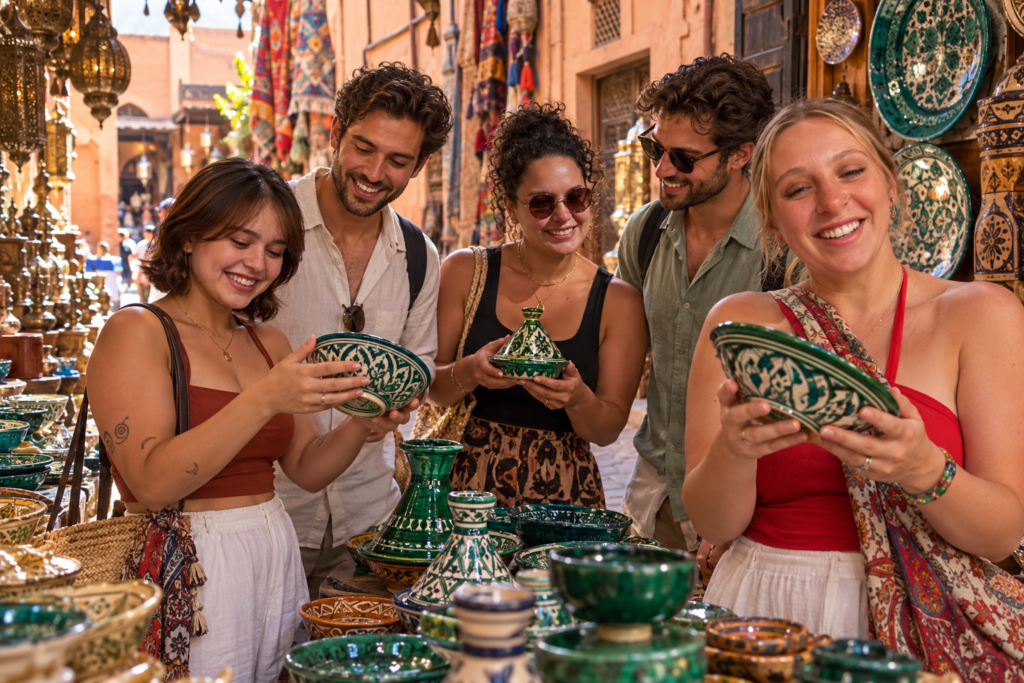
Common scams and how to avoid them
- Henna on the square: someone takes your hand and starts drawing before you agree, then demands a high price. Keep your hands to yourself and say a firm, friendly no.
- Photos with animals or performers: agree the price before you take a photo of snake charmers, monkeys or water sellers.
- Taxis without a meter: in cities, petit taxis should use the meter; if not, agree the fare before you get in.
- “Tannery tours” and “Berber markets only today”: friendly invitations that end in a pressured sales pitch.
- Overpricing: bargaining is normal in the souks. Decide what something is worth to you and walk away politely if the price is not right.
Is Morocco safe for solo women?
Many women travel in Morocco alone and love it, but it is fair to say that verbal harassment, comments, whistles or being followed for a few steps, is more common than in much of Europe. It is very rarely threatening, but it can be tiring.
- Dressing modestly, with shoulders and knees covered, noticeably reduces attention. Our guide on what to wear in Morocco has practical tips.
- Walk with purpose, avoid engaging with persistent men, and do not feel obliged to be polite to people who are not.
- Choose well-reviewed riads with staff on site, and ask them to arrange taxis at night.
- Travelling with a private driver-guide makes long journeys and arrivals in new towns far simpler.
Road safety
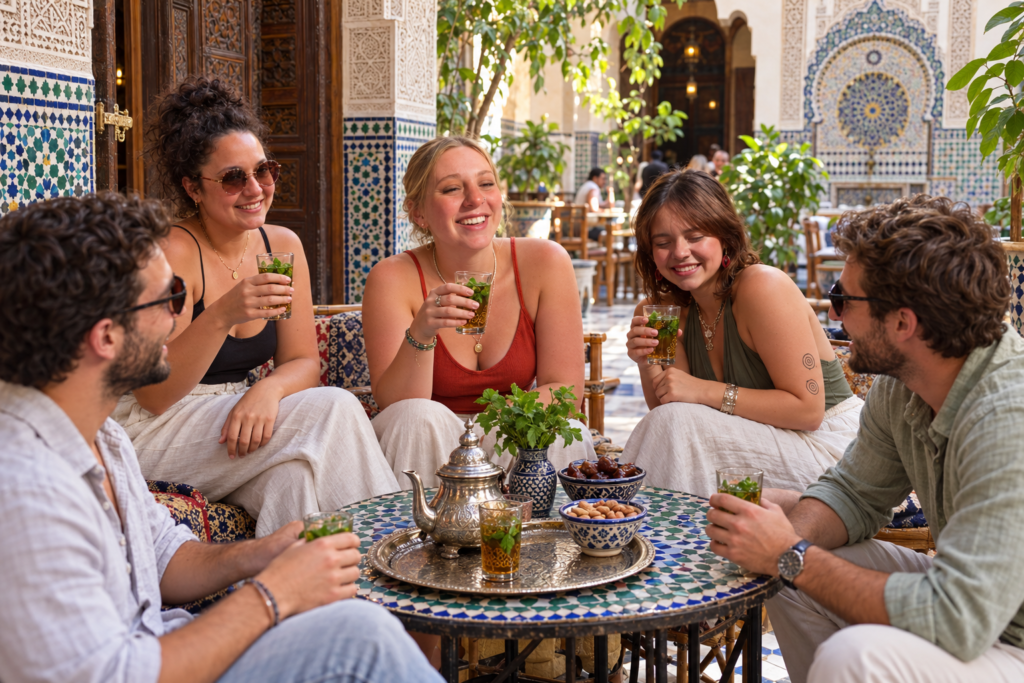
For most visitors, the roads are the biggest real risk. Long distances, mountain passes, slow trucks and impatient overtaking require experience. We strongly advise against driving after dark in rural areas, where unlit carts, animals and pedestrians are common. This is one of the main reasons travellers choose a private driver for routes to the desert.
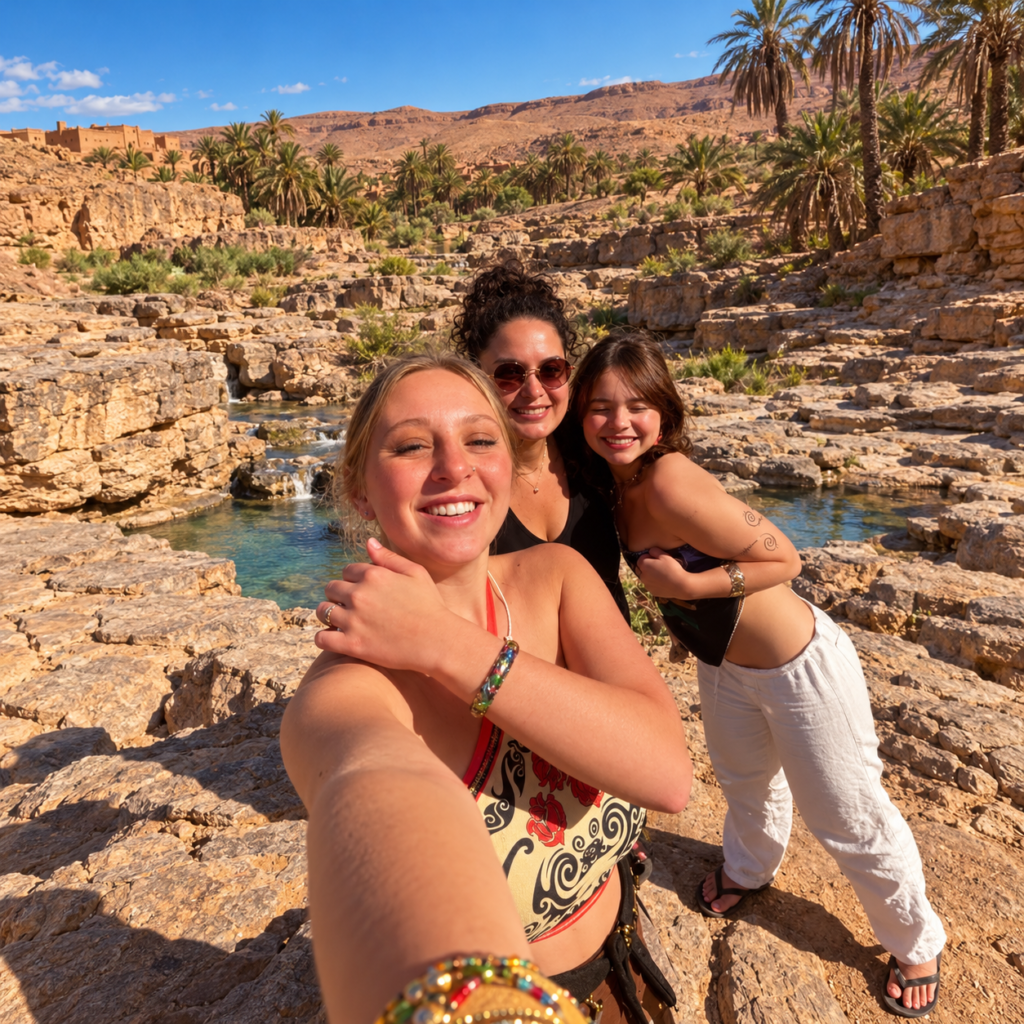
Is the Sahara desert safe?
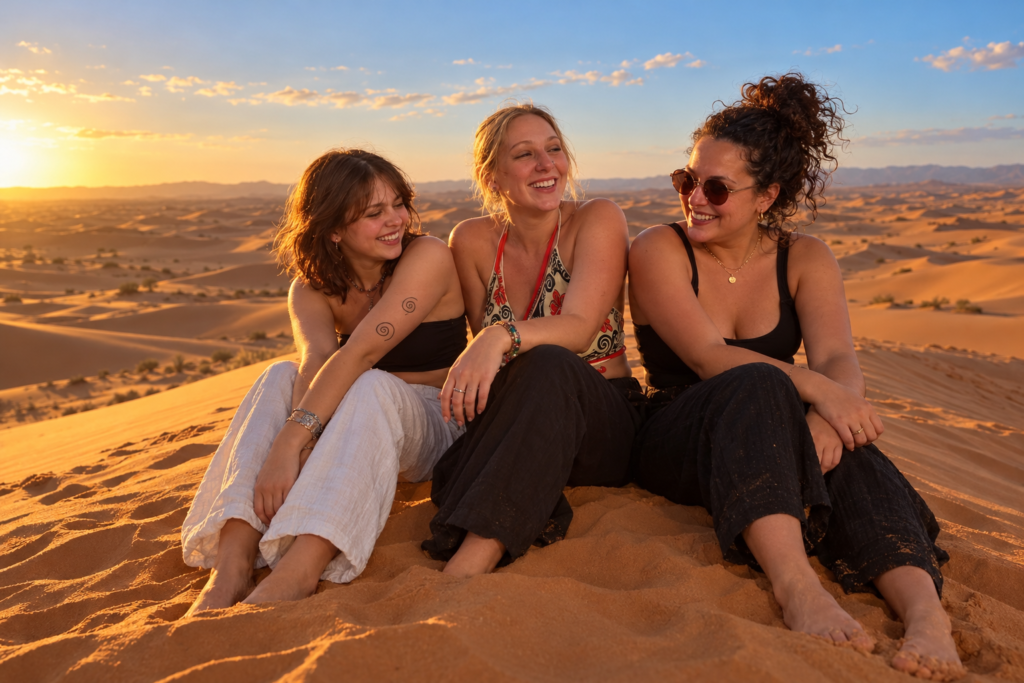
Yes, with a reputable organiser. The desert camps around Erg Chebbi and Erg Chigaga are well established, and guides know the dunes intimately. The real risks are environmental: heat in summer, cold at night in winter, and dehydration. Never walk far into the dunes alone at night, as the dunes look the same in every direction, drink plenty of water, and avoid the desert in July and August.
Health and practical safety
- Water: drink bottled or filtered water, and be careful with salads and ice in very basic places.
- Travel insurance: essential, including medical cover.
- Emergency numbers in Morocco: police 19, Gendarmerie (rural areas) 177, ambulance and fire 15.
- Tourist police (Brigade Touristique) patrol the main tourist areas of the big cities.
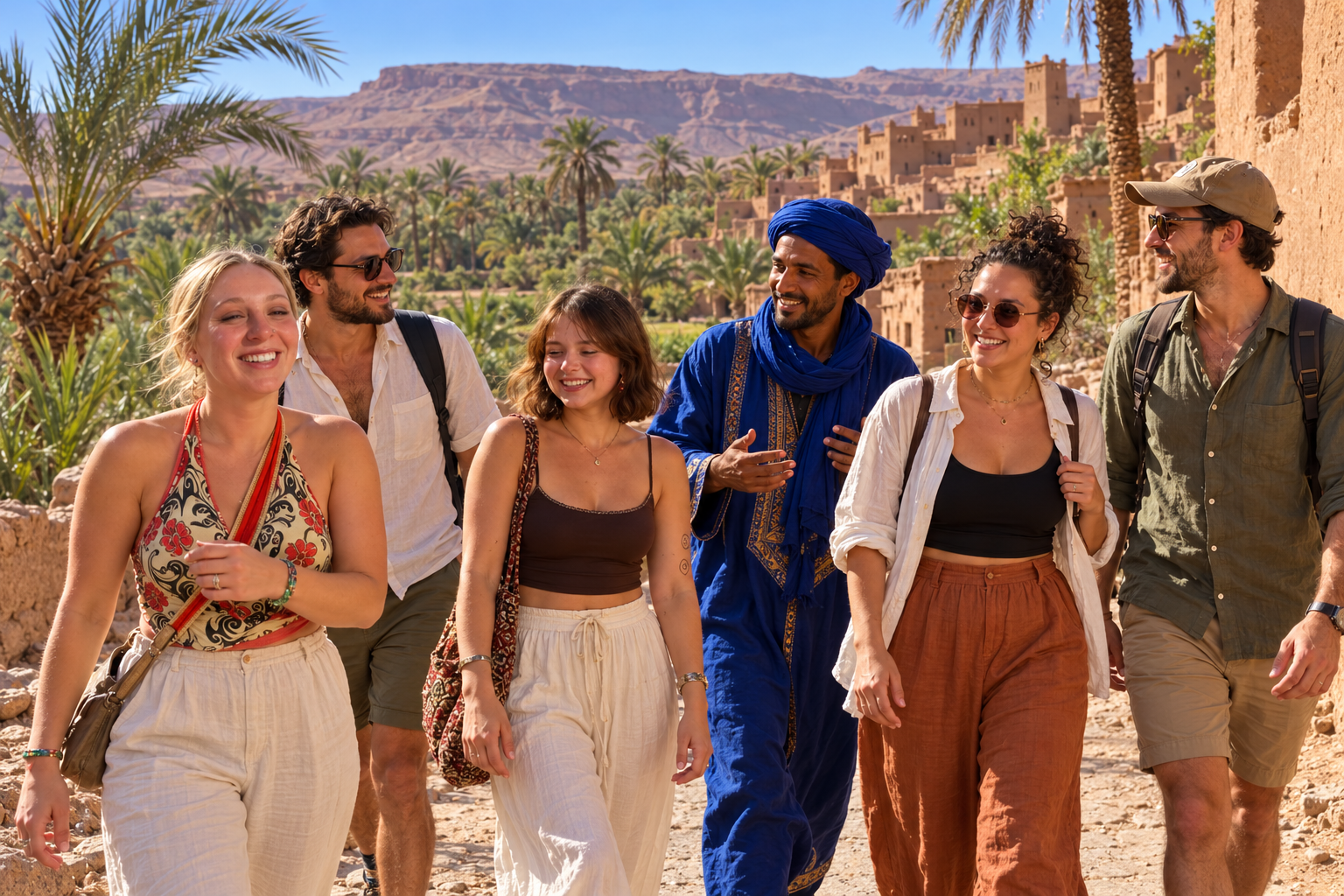
The single best safety measure is local knowledge. Travelling with a trusted driver-guide and staying in places that know you means someone always has your back.
Our advice
Frequently asked questions
Is Morocco safe to visit right now?
Morocco is generally considered safe for tourists, but always check your government’s latest travel advice before booking, as conditions can change.
Is Marrakech safe at night?
The main squares and well-lit streets are busy and generally safe in the evening. In quieter medina lanes, walk with someone or ask your riad to accompany you, and keep valuables out of sight.
Is it safe to travel to the Sahara?
Yes, with a reputable organiser. Desert camps are well established. The main risks are heat, cold and dehydration, so choose the right season and follow your guide’s advice.
Is Morocco safe for solo female travellers?
Yes, many women travel alone in Morocco. Expect some verbal attention, dress modestly to reduce it, and consider a private driver for long distances.
Plan your trip with people who know the country: explore our private Morocco tours or tell us about your journey.
Tell us your dates and who is travelling. We reply within one working day with a first idea for your route.